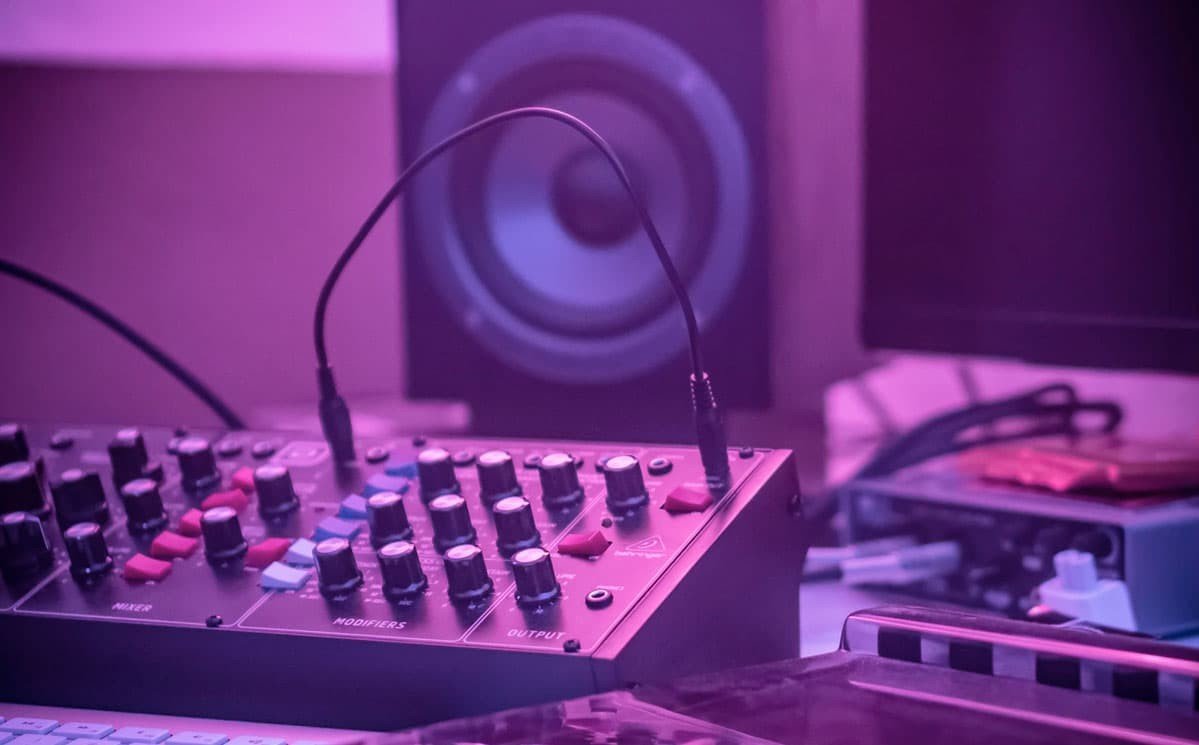
The flickering lights of a concert stage, the immersive dialogue in your favorite film, the crystal-clear voice of a podcast host—behind every compelling audio and visual experience is a meticulous craft, a blend of technical mastery and creative vision. This is the world of Video & Audio Production, a dynamic field where specialists breathe life into stories, events, and information. If you've ever found yourself captivated by sound design or mesmerized by cinematography, you might be an unseen architect waiting to shape the next generation of media.
This guide isn't just a roadmap; it's a conversation with someone who's walked these paths, seen the challenges, and celebrated the triumphs. We'll explore what it truly takes to forge a specialist career in this electrifying industry, from the foundational skills to the nuanced specializations, all designed to help you chart your unique course.
At a Glance: Your Path in Video & Audio Production
- Diverse Skillset: Mastering this field requires a blend of creativity, technical prowess, keen organization, and sharp communication.
- Education is Key (Often): While experience counts, formal education—from certificates to bachelor's degrees—can significantly accelerate your career, especially when accredited.
- Specialization Pays: Whether you dive deep into sound engineering or master the art of video storytelling, focusing your expertise unlocks higher-level opportunities.
- Hands-On Experience Matters: Internships and a robust professional portfolio aren't just recommendations; they're essential tickets to entry and advancement.
- Rewarding & Flexible: Despite its competitive nature, a career in video and audio production offers immense creative satisfaction and potential for freelance flexibility.
- Growth Ahead: The demand for high-quality multimedia content continues to surge, creating ongoing opportunities across various industries.
The Unseen Architects of Media: What Do Audio-Video Specialists Do?
Imagine the sheer volume of content we consume daily—from blockbuster movies and live sports broadcasts to corporate training videos and chart-topping music. Every single piece relies on dedicated professionals who ensure the sights and sounds are perfect. An audio-video production expert is precisely that: a versatile professional who operates, maintains, and often designs the very backbone of these media experiences.
Think of them as the stagehands, sound engineers, camera operators, and technical directors all rolled into one, or specializing in one crucial aspect. Their work spans a vast array of environments: the controlled chaos of a live performance, the precision of a recording studio, the dynamic energy of a sporting event, or the structured environment of a broadcast production. They are the guardians of quality, ensuring every pixel is clear and every decibel perfectly balanced.
Core Duties: Behind the Scenes and In the Thick of It
The day-to-day of an audio-video specialist is incredibly varied, demanding adaptability and a problem-solving mindset. You might find yourself:
- Setting the Scene: Installing and meticulously calibrating equipment like projection screens, high-fidelity microphones, and video monitors for any event or shoot. This includes the crucial setup and teardown for live events, ensuring everything is ready, then neatly packed away.
- Keeping Gear Running: Performing routine maintenance and troubleshooting, swiftly repairing worn or malfunctioning apparatus to prevent costly delays.
- Empowering Others: Teaching company employees or clients how to properly use equipment, bridging the gap between complex technology and everyday operation.
- Shaping the Future: Advising management on equipment purchases, leveraging your expertise to recommend the best tools for current needs and future growth.
- Collaborating Creatively: Discussing intricate editing and filming techniques with directors, translating artistic visions into technical realities.
- Crafting the Final Product: Editing audio, video, and sound files with precision, weaving raw footage and recordings into a polished narrative.
- Choosing the Right Tools: Selecting the most appropriate recording equipment for specific projects, understanding the nuances of different cameras, mics, and interfaces.
- Capturing the Essence: Recording diverse elements like sound effects, compelling speech, evocative music, and ambient noise to enrich productions.
- Sculpting Sound: Operating mixing boards and soundboards, artfully blending multiple audio tracks to achieve a harmonious and impactful final mix.
- Seamless Integration: Synchronizing dialogue and sound effects flawlessly in cinematic, movie, or television productions, ensuring every element aligns perfectly.
Essential Skills and Traits: What Makes a Top Specialist?
Beyond the technical aptitude, certain innate qualities and developed skills set exceptional audio-video specialists apart:
- Creativity: The ability to visualize and hear the final product, transforming raw material into engaging experiences.
- Equipment Operation Ability: A deep, intuitive understanding of how to use, configure, and troubleshoot a vast array of technical gear.
- Organization: Meticulous planning and execution are vital, from managing equipment inventories to sequencing complex production workflows.
- Excellent Communication: Articulating technical concepts clearly to non-technical individuals, collaborating effectively with diverse teams, and understanding client needs.
- Ability to Work Under Pressure: Live events and tight deadlines are common, requiring a cool head and quick thinking when challenges arise.
- Critical Thinking: Problem-solving on the fly, diagnosing technical issues, and making quick, informed decisions.
- Detail Orientation: A keen eye and ear for the smallest imperfections, ensuring every element meets the highest quality standards.
- Adaptability: The industry evolves rapidly, demanding a willingness to learn new technologies, software, and production techniques constantly.
Your Journey Begins: Education & Foundations
The world of video and audio production is exhilarating, but it's also highly competitive. To truly stand out and build a lasting career, a strategic approach to education and experience is paramount.
The Competitive Landscape
Landing your dream role often requires more than just passion. Employers increasingly seek candidates with either a formal degree from an accredited institution or substantial, demonstrable industry experience. The barrier to entry can seem high, but with the right preparation, it's entirely surmountable.
Certificates: A Stepping Stone
For those eager to enter the field quickly or specialize in a niche, a certificate in audio-video production can be an excellent starting point. These programs typically focus on practical skills and specific software, providing a fast track to entry-level positions. While not as comprehensive as a degree, a well-regarded certificate can equip you with the fundamental competencies needed to get your foot in the door and begin accumulating real-world experience.
Associate Degrees: Building a Strong Base
An Associate Degree in video production and audio production offers a more robust foundation, typically taking around 2.5 years of full-time study. This program dives deeper than a certificate, blending practical skills with theoretical knowledge. You’ll explore a curriculum designed to make you a well-rounded generalist, including:
- Field and Television Production: Understanding the logistics and techniques of shooting in various environments, from studio sets to outdoor locations.
- Audio Recording: Mastering microphone techniques, digital audio workstations (DAWs), and the principles of capturing high-quality sound.
- Video Editing: Proficiently using industry-standard software to assemble, cut, and refine video footage into cohesive narratives.
- Sound Production: Delving into the creation and manipulation of sound effects, music beds, and voiceovers.
- Multimedia Design: Learning the principles of visual aesthetics and how to integrate various media types for compelling presentations.
- Marketing Concepts: Gaining an understanding of how media content is distributed and promoted, an invaluable skill for freelancers and in-house producers alike.
An associate's degree can significantly facilitate faster career advancement compared to just a certificate, opening doors to a wider array of entry and mid-level roles.
Bachelor's Degrees: Elevating Your Expertise
For those aiming for leadership roles, advanced specializations, or higher salaries, a Bachelor’s Degree is often the preferred path. Programs like a Bachelor’s in broadcast and electronic communication arts with a multimedia production specialization typically take 3-4 years and offer a comprehensive dive into the media landscape. Coursework here expands upon associate-level studies, covering:
- Media Performance: Understanding the dynamics of on-screen or on-air presence, valuable for directors and producers working with talent.
- Radio Programming: Learning the art of crafting compelling audio broadcasts, from show structure to audience engagement.
- Advanced Video Production: Exploring complex lighting setups, multi-camera shoots, and specialized cinematography techniques.
- Interactive Media: Delving into the creation of engaging digital experiences, including web-based content and virtual reality.
- Electronic Media: A broad overview of how various electronic platforms function and intersect in the modern communication ecosystem.
A bachelor's degree signals a deeper commitment and broader understanding, often becoming a prerequisite for senior positions and opening pathways to roles in larger production houses or broadcast networks.
The Non-Negotiable: Accreditation and Portfolio
Regardless of the degree or certificate you pursue, accreditation of your chosen college or university is crucial. An accredited program ensures quality education and is often a requirement for employers and for transferring credits if you continue your studies. Always verify the accreditation status of any institution you consider.
Equally vital is building a professional portfolio. This isn't just a collection of your work; it's a curated showcase of your best projects, demonstrating your skills, style, and versatility. For both audio and video specialists, a strong portfolio is often more impactful than a resume alone, proving your capabilities to potential employers.
Diving Deep: Specializing in Audio Production
While an audio-video specialist can handle both disciplines, many choose to hone their craft in one area. If the magic of sound captivates you, a specialization in audio production might be your calling. Top sound engineering professionals often hold an audio production degree, understanding the intricate physics of sound and the art of shaping it.
What an Audio Engineer Does
Audio engineers are the architects of soundscapes. Their expertise is critical in ensuring everything from a whisper to a symphony is perfectly captured, mixed, and delivered. Their duties include:
- Synchronizing Sounds and Voices: Ensuring every sound effect, piece of music, and line of dialogue aligns perfectly with the visuals in TV shows, music videos, and movies.
- Digital Audio Crafting: Using sophisticated computers and digital audio workstations (DAWs) to meticulously edit live and recorded audio files.
- Operating Complex Gear: Skillfully managing mixing boards, microphones, processors, and other sound equipment to achieve desired sonic qualities.
- Creating Sonic Experiences: Mixing, recording, and reproducing music, voices, and sound effects to create immersive and impactful audio tracks.
The Path to Sound Mastery
For aspiring audio engineers, education often involves a certificate or associate degree (2-3 years) which can significantly increase earning potential over just a high school diploma. University studies in audio production delve into critical areas such as:
- Sound Mixing and Editing: Advanced techniques for blending multiple audio tracks, applying effects, and perfecting sound levels.
- Music Theory: Understanding the fundamentals of music composition, rhythm, and harmony, which is invaluable for working with musical scores.
- Electronics: Gaining knowledge of the electrical principles behind audio equipment, crucial for troubleshooting and understanding signal flow.
- Recording Techniques: Mastering various microphone placements, recording environments, and strategies for capturing pristine audio.
- Analog and Digital Audio Production Formats: Understanding the differences and applications of various audio technologies, from classic analog gear to modern digital systems.
- Audio Distribution and Delivery Systems: Learning how audio is prepared and broadcast across different platforms, from streaming services to radio.
- Recording Live Sound: Techniques specific to capturing audio in dynamic, real-time environments like concerts or theatrical performances.
- Pre-production Planning: The essential steps taken before recording begins, including equipment checks, room acoustics, and artist preparation.
Building Your Sonic Showcase: The Portfolio
Upon completion of your studies, a professional audio portfolio is absolutely essential. This should include diverse examples of your work: original recordings, mixed tracks, sound design projects, and any collaborative efforts. Demonstrate your ability to work across genres and production types, highlighting your technical skills and creative ear.
Diving Deep: Specializing in Video Production
If your passion lies in visual storytelling, cinematography, and the art of the moving image, then specializing in video production might be your ideal career. From crafting compelling short films to producing dynamic broadcast content, video producers are at the heart of our visual culture.
Beyond the Lens: What a Video Producer Does
Video producers are the visionaries and technicians who bring visual narratives to life. They are involved in every stage, ensuring the final visual product meets the highest standards. Their duties often include:
- Editing Video Recordings: Assembling raw footage, adding transitions, graphics, and effects to create a cohesive and engaging video.
- Troubleshooting Equipment: Rapidly identifying and resolving issues with cameras, lighting, and other video gear during shoots or broadcasts.
- Adjusting and Monitoring Apparatus: Constantly fine-tuning camera settings, lighting, and display equipment to maintain optimal visual quality.
- Setting Up and Operating Broadcasting Gear: Preparing and running the technical equipment necessary for live broadcasts or studio recordings.
- Repairing and Maintaining Video Equipment: Ensuring all video apparatus is in excellent working order, performing preventative maintenance and necessary repairs.
The Visual Storyteller's Curriculum
Entry-level video production roles may be accessible with a high school diploma or an associate degree (2-3 years), especially if you have a strong portfolio. However, high-level positions commanding higher salaries often demand a bachelor's degree and at least five years of experience, along with thorough knowledge of industry-standard video editing software like Adobe Premiere, DaVinci Resolve, or Final Cut Pro. University studies in video production will immerse you in:
- Lighting: Mastering the art and science of illumination to create mood, depth, and visual impact.
- Camera Operation: Gaining proficiency with various camera types, lenses, and techniques for capturing stunning footage.
- Sound Design for Video: Understanding how audio elements complement and enhance visual storytelling.
- Video Editing: Advanced techniques in non-linear editing, color grading, and visual effects.
- Scriptwriting: Learning to craft compelling narratives and dialogue for visual media.
- Directing and Producing: Developing the leadership and organizational skills to guide a production from concept to completion.
- Graphic Design: Creating titles, lower thirds, and other visual elements that integrate seamlessly with video content.
- Post-Production Workflows: Understanding the entire process after filming, including editing, sound mixing, color correction, and mastering.
- Motion Graphics: Creating animated text, logos, and visual effects to add dynamism and polish to videos.
Visualizing Your Talent: Internships & Portfolio
For video specialists, internships are incredibly valuable. They provide hands-on experience in professional settings, allowing you to apply your classroom knowledge and build industry connections. Alongside internships, a meticulously curated video portfolio is paramount. Showcase your best editing projects, short films, demo reels, and any graphic design or motion graphics work. This visual evidence of your skills is often the deciding factor for potential employers.
Roles in the Spotlight: Who Works Behind the Scenes?
The broad field of video and audio production is populated by a diverse array of specialized roles, each critical to the success of a project. Understanding these positions can help you pinpoint your ideal career trajectory.
- Recording Engineers: These professionals are tasked with operating the sound and video equipment specifically for capturing special effects or specific audio elements. They ensure every 'whoosh,' 'thud,' or subtle atmospheric sound is perfectly recorded.
- Sound Mixers: Often working in post-production, sound mixers weave together dialogue, music, and sound effects to create cohesive and immersive soundtracks for TV shows and movies, including the complex art of dubbing in different languages.
- Field Technicians: When production moves outside the studio, field technicians are the backbone. They operate and maintain equipment in remote locations, adapting to diverse environments and ensuring technical continuity.
- Foley Artists and Sound Engineers: This duo is responsible for the intricate layering of sound. Foley artists specialize in recreating physical sounds (like footsteps, rustling clothes, or breaking glass) using everyday props, adding realism to scenes. Sound engineers then mix, synchronize, and add these elements with music, voices, or other sound effects.
- Camera Operators: These are the visual artists who frame the shots. Working in broadcasting studios or on location, they operate cameras, capturing subjects, action, and environments with precision and an artistic eye.
- Videographers: Often working independently or for smaller production companies, videographers videotape a wide variety of events and productions, from weddings and corporate events to documentaries and marketing videos. Many thrive as self-employed freelancers, building client relationships after gaining initial experience.
- Broadcast Technicians: These specialists are crucial for live media. They set up and meticulously handle the machines that regulate sound clarity and signal strength for television and radio, ensuring a flawless transmission to audiences. Learn more about Creative Mode to see how creative professionals come together to make these broadcasts possible.
- Filmmakers: At the pinnacle of visual storytelling, filmmakers conceptualize, create, and direct movie productions. Many also work as video editors for production companies, honing their craft at various stages of film creation.
Each of these roles requires a unique blend of skills, but they all share the common goal of creating high-quality, impactful media.
Earning Your Stripes: Salary & Career Outlook
A career in video and audio production is not just creatively fulfilling; it also offers competitive earning potential, which varies depending on your specialization, experience, and the industry you choose.
Average Earnings
According to the US Bureau of Labor Statistics (2021 data), the average annual income for audio-video production specialists was approximately $47,920. This figure represents a broad average across many roles and industries.
Industry Variations
Your chosen niche significantly impacts your earning potential:
- Motion Picture Industries: Specialists working on films and large-scale cinematic productions tend to earn the most, with an average of $66,900 annually. The complexity and budgets of these projects often translate to higher compensation.
- Television and Radio Broadcasting: Those in broadcast media averaged around $52,970. Within this sector, television broadcasting roles generally offered higher salaries than positions in radio or podcast production, reflecting the different production scales and reach.
It's important to remember that these figures are averages. Top earners, particularly those with extensive experience, specialized skills, and a strong portfolio, command significantly higher premiums. Building a reputation and networking within the industry can open doors to these more lucrative opportunities.
The Freelance Advantage: Flexibility and Growth
One of the most appealing aspects of a career in audio-video production is the potential for flexibility, especially for freelancers. While it takes time to build a robust client base and reputation, many specialists find immense satisfaction and control over their careers by working independently. Freelancing allows you to choose projects that align with your interests, set your own schedule, and scale your business as you gain experience and build client relationships. This path requires strong business acumen, self-discipline, and proactive networking, but it can be incredibly rewarding.
Your Next Act: Making Your Mark in Media Production
The world of video and audio production is a vibrant, ever-evolving landscape that sits at the thrilling intersection of art and technology. It’s a field where your creativity can take tangible form, where sounds can evoke emotions, and images can tell unforgettable stories.
While the journey demands dedication—from foundational education and continuous learning to the relentless pursuit of hands-on experience—the rewards are substantial. You'll join a community of passionate professionals who, day in and day out, shape how we consume and interpret the world around us.
Don't wait for opportunities to come to you; actively seek them out. Invest in your education, build a diverse and compelling portfolio, and embrace internships as invaluable learning experiences. Network with others in the field, learn from their experiences, and never stop refining your craft. Whether you aspire to be a master of sound design, a visual storyteller, or a versatile technical wizard, the stage is set for you to make your mark. Your journey in video and audio production isn't just a career path; it's an invitation to create, innovate, and inspire.